Book the coast first
Practical tipPositano, Capri and the good Como hotels sell out four to six months ahead for summer. Lock those dates before anything else and build the cities around them.
Rome, Florence, the Amalfi Coast, Venice and the lakes — how to build the trip without spending it on trains.
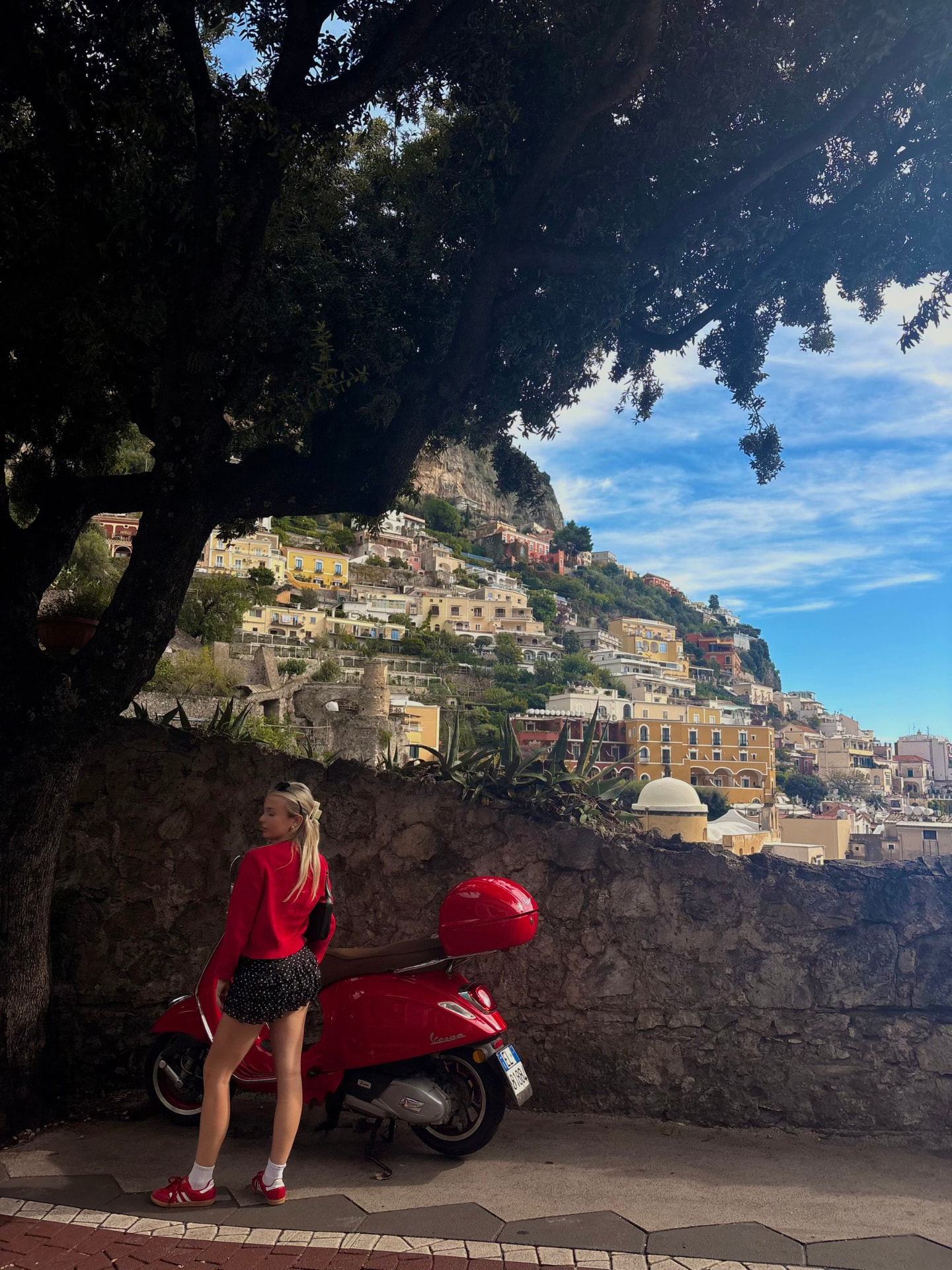
The mistake everyone makes in Italy is doing too much. Five cities in ten days means five travel mornings, five check-ins and no actual holiday. This guide is built around the opposite: two or three bases, three to four nights each, and day trips from there. Below you will find the routes that work, what to do in each place, and the food rules that separate a good Italian trip from a very good one.
Start here
Italy in July and August is hot, crowded and expensive, and the coast is at its busiest. May, June, September and early October give you swimming weather without the crush. Whatever you do, book the coastal accommodation and the big-ticket entries first — they sell out months ahead, not weeks.
Opening hours, ferry timetables and prices change season to season. Confirm everything directly before you build a day around it.
Positano, Capri and the good Como hotels sell out four to six months ahead for summer. Lock those dates before anything else and build the cities around them.
The Colosseum, the Vatican Museums, the Uffizi and the Accademia all use timed entry. Without a booking you will either queue for hours or not get in at all.
Churches, including St Peter's and the Duomo, refuse entry with bare shoulders or short shorts. Keep a light scarf in your bag every day.
Cards work nearly everywhere, but small trattorias, beach clubs and taxis sometimes want cash. Carry 50 to 100 euros.
July and August regularly sit above 35C. Plan sights before 11am, swim or nap in the afternoon, and go out again after 6pm.
Planning
Pick one. Every one of these is ten to twelve days and keeps travel mornings to a minimum.
10 to 12 days
Three nights Rome, three nights Florence with a Tuscany day, four nights on the Amalfi Coast. All connected by fast train plus one transfer to the coast.
9 to 11 days
One night Naples for the pizza, five on the Amalfi Coast, two on Capri, two on Ischia. Boats between everything.
8 to 10 days
Two nights Milan, three on Lake Como, three in Venice. All by direct train.
7 days
Three nights Florence, four in a farmhouse near Siena or in Val d'Orcia with a hire car.
Rome
Three full days is right. Ancient Rome in the morning, long lunch, Trastevere at night.
Ancient Rome
Go as a pair — the same ticket usually covers both and the Forum is the better half. Two to three hours total.
Vatican City
Long, crowded, and extraordinary at the end. Budget three hours and go straight through to the Sistine Chapel first if you can.
Trastevere
Ivy, cobbles, tiny restaurants and the whole neighbourhood eating outside. This is where you have your best Roman dinner.
Centro Storico
A two-thousand-year-old dome with a hole open to the sky. Fifteen minutes, and better in the rain.
Borghese
Bernini sculptures in a garden villa, with strict two-hour timed entry that keeps it calm.
Rome's three pasta dishes. Have all three across your stay, in a neighbourhood trattoria rather than anywhere with a photo menu.
Centro Storico
Produce, spices and a square that turns into a bar scene at night.
Tuscany
Florence is small — you can walk it end to end in 30 minutes. Two days in the city, one or two out in the hills.
Florence
Climb the 463 steps for the best view in the city, or just stand in the square and look up.
Florence
Botticelli, Michelangelo, Leonardo, in a manageable two hours if you are selective.
Florence
A 20-minute uphill walk to a terrace over the whole city. Bring a bottle of wine and plastic cups like everyone else.
Florence
An enormous T-bone, served rare, priced by weight, shared between three or four. A proper event dinner.
Tuscany
Cypress-lined roads, hilltop towns and two or three tastings with lunch in between. Go with a driver so everyone can drink.
An hour from Florence
A shell-shaped medieval square you can lie down in, plus a striped cathedral.
Florence
Small workshops still make jackets, bags and marbled paper by hand. Ignore the market stalls near San Lorenzo.
The coast
The part of the trip you will remember. Base yourself in one town and move by boat, not by road, wherever you can.
Amalfi Coast
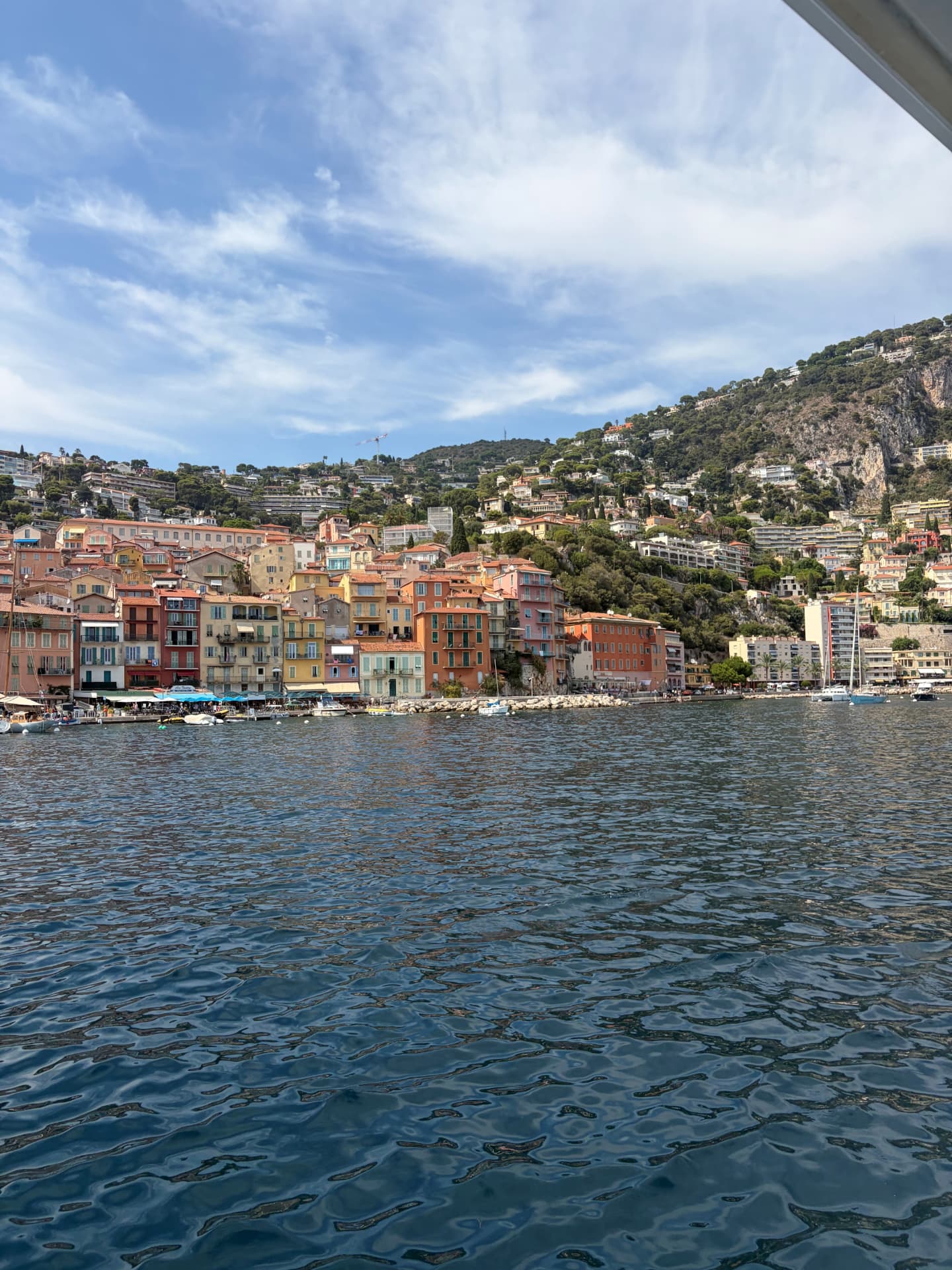
Pastel houses stacked down to the sea, one main beach and a lot of steps. Beautiful, expensive and worth it for two or three nights.
Amalfi Coast
Quieter, cheaper and only 15 to 20 minutes from Positano by bus or boat.
Amalfi Coast
Half or full day with a skipper: swimming stops, grottoes, lunch in a fishing village, back at golden hour.
Island
Ferry across, take the chairlift up Monte Solaro, swim at the Faraglioni rocks, walk the Via Krupp, then wander the designer streets around the Piazzetta.
Between Bomerano and Nocelle
A two to three hour clifftop walk high above the coast with views the whole way.
Above Amalfi
Gardens on a clifftop with the famous infinity terrace, far above the coast road.
Amalfi Coast
Most swimming here is off rocks and pebbles. A sunbed with an umbrella at a beach club is worth it for a full day.
Venice
Two nights. Stay on the islands rather than the mainland, and walk it after the day-trippers leave.
Put the phone away and walk away from the main routes. Venice is at its best in the empty back lanes.
San Marco
Gold mosaics across the whole ceiling. Twenty minutes inside, plus the terrace over the square.
Venetian bar snacks — small plates on bread — eaten standing with a glass of wine. Do a crawl of three or four bars instead of a sit-down dinner one night.
40 minutes by vaporetto
A fishing island of brightly painted houses and lace shops.
Fixed official rates by time of day, split between up to five of you. Take one on the quiet canals rather than the Grand Canal.
The north
Milan is a one-day city unless you are shopping. Como is an hour away by train and worth two nights.
Milan
Walk among the spires on the cathedral roof.
Milan
Canal-side bars where the price of a drink includes a buffet. Start at 7pm.
Lake Como
Quieter and prettier than Como town, with a waterfront promenade and easy ferries across the lake.
Lake Como
Stepped lanes, gardens and boats. Twenty minutes by ferry from Varenna.
Lake Como
Hire a small boat with a skipper and stop at villages and villa gardens around the lake.
Food
A few rules that will make every meal better.
A one-page menu that changes means the kitchen is cooking, not reheating. Photo menus and staff waving you in from the street mean the opposite.
Most restaurants add a small per-person cover charge. Tipping on top is optional — rounding up is plenty.
Cappuccino is a morning drink. After lunch it is espresso. Drinking it standing at the bar costs a fraction of sitting down.
Carbonara in Rome, bistecca in Florence, pizza in Naples, seafood on the coast, risotto in Milan. Ordering the local dish is almost always the best plate on the menu.
Kitchens open around 7:30pm and fill from 8:30pm. A restaurant serving dinner at 6pm is cooking for tourists.
If the pistachio is bright green and the gelato is piled in mounds, walk on. Good gelato is muted in colour and kept in covered steel tubs.
Nights
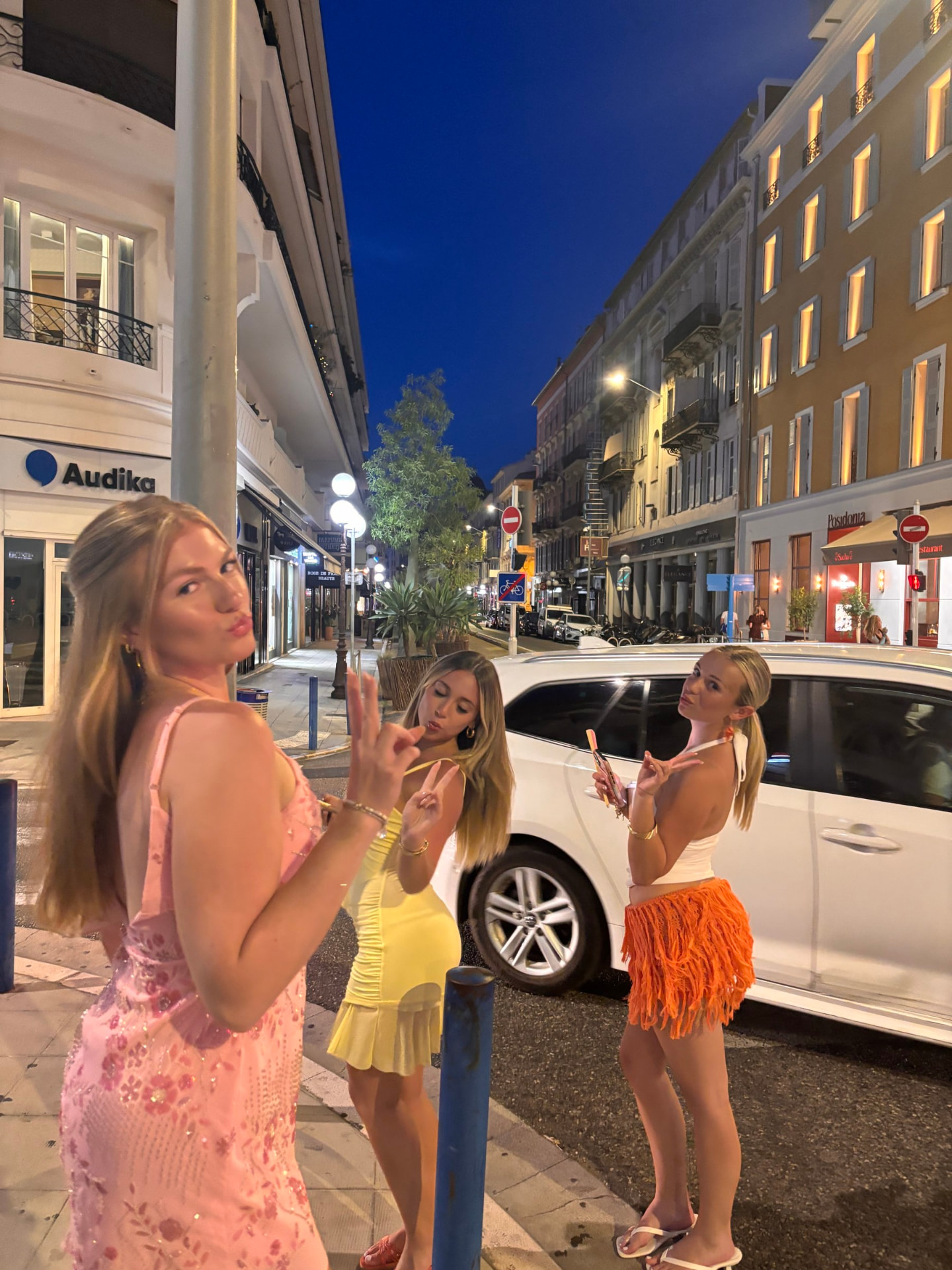
Dinner is late, drinks come first, and the square is the venue.
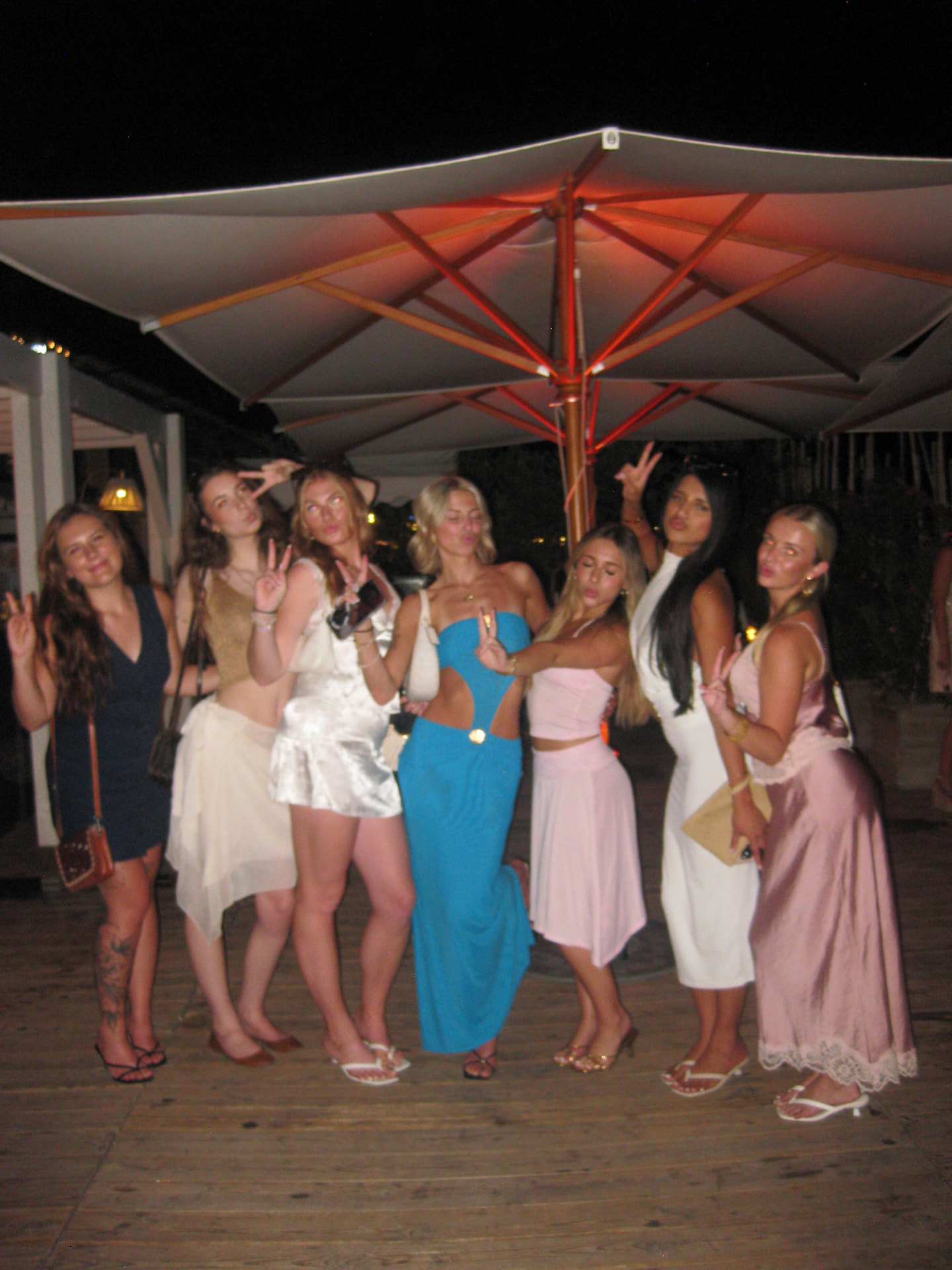
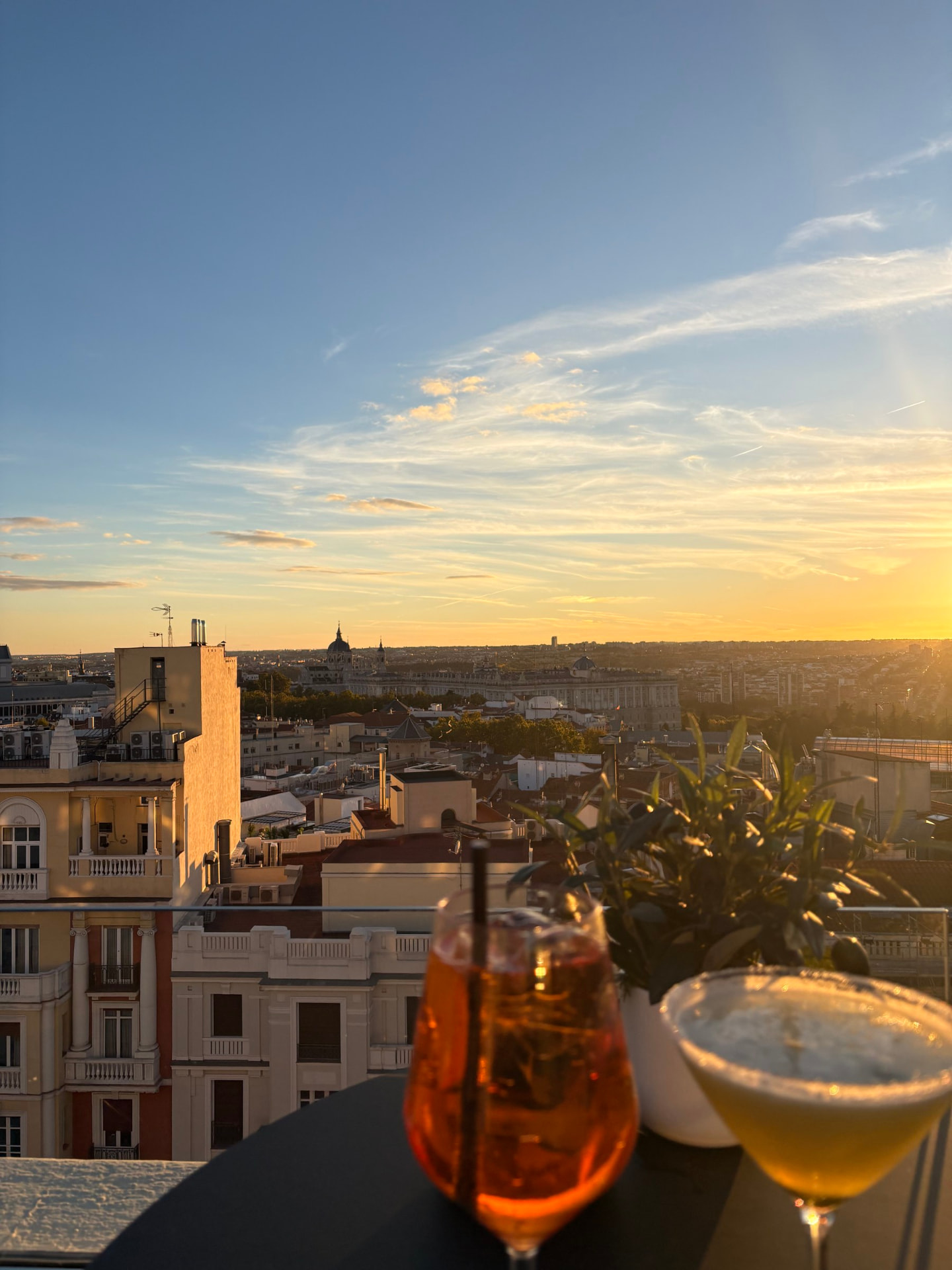
A spritz or a negroni with olives and crisps, somewhere with a view of a square, between 6:30 and 8pm.
Rome
Bars spill into the lanes and the whole neighbourhood is out until 1am.
Florence
A student-heavy square where everyone sits on the church steps with a drink.
Amalfi Coast
Several clubs run into the night with DJs in summer.
Capri
Four cafés in one tiny square, everyone dressed up, drinks priced accordingly.
For the camera
Early mornings, again. Italy's best-known spots are beautiful at 7am and unusable by 10.
Positano
The postcard view down over the town to the sea.
Florence
The whole Florence skyline with the dome.
Rome
A street where St Peter's dome appears to shrink as you walk towards it.
Venice
Saturated colour on every wall.
Tuscany
Rolling hills, winding road, single line of cypress trees.
Lake Como
Mountains dropping straight into the water with villages along the shore.
Logistics
Trains between cities, boats on the coast, and almost never a rental car.
Rome to Florence is about 90 minutes, Florence to Venice about two hours, Milan to Venice about two and a half. Book a few weeks ahead for the cheap fares and always validate regional tickets.
City centres are restricted-traffic zones with automatic fines, and the Amalfi coast road is narrow, slow and impossible to park on. Rent only for Tuscany or Puglia.
Between Sorrento, Positano, Amalfi and Capri, boats are faster, cooler and prettier than the bus. They run roughly April to October and are cancelled in rough weather — keep a backup plan.
Fly into Rome or Naples for the south, Milan or Venice for the north, and fly out of a different city than you arrived in so you never backtrack.
Everything in Italy involves steps: train platforms, Venice bridges, Positano staircases. One bag you can carry up 100 steps yourself.
Money
Per person, per day, excluding flights and accommodation.
3 to 6 euros standing at the bar.
30 to 55 euros per person in cities, more on the coast.
8 to 15 euros in most places, 25 and up in Capri or Positano.
30 to 60 euros per person per day on the Amalfi Coast in high season.
Roughly 120 to 250 euros per person for a full-day private charter split between a group.
100 to 160 euros per person per day in cities; 180 to 300 on the coast in summer.
Neighbourhoods, restaurants worth booking, the cafés that actually photograph well, and how to see the city without queuing all day.
Read itSantorini, Mykonos, Paros, Naxos and Milos compared honestly, plus ferries, beach clubs, sunsets and what it all actually costs.
Read itA capsule wardrobe formula, the full checklist, what to leave at home, and the carry-on that saves the trip if your bag does not arrive.
Read it