Book restaurants first
Practical tipDinner reservations at the places people actually talk about open between three weeks and two months ahead. Put three options in your calendar and book all three — you can always cancel.
Where to stay, eat, drink and shoot in Paris — planned like a girls trip, not a school trip.
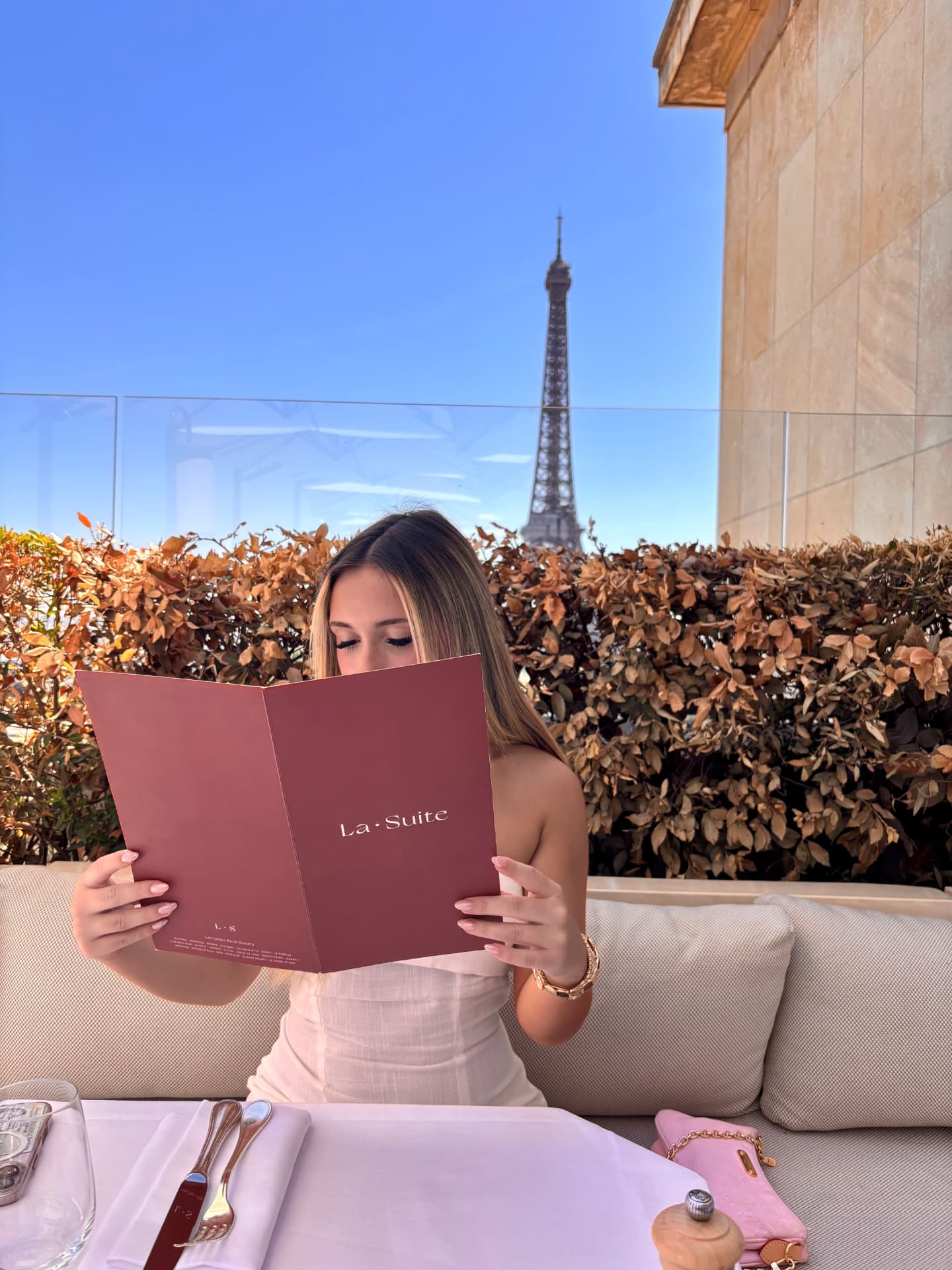
Paris rewards planning. Not a minute-by-minute itinerary — just knowing which neighbourhood to sleep in, which restaurants need a reservation three weeks out, and which famous thing is worth your morning. This guide is built for four or five days, the way we actually travel: slow mornings, long lunches, one big plan a day and the rest left open. Everything here is organised by neighbourhood so you are never crossing the city twice in a day.
Start here
Paris is walkable but big. Pick one neighbourhood as your base and treat everything else as a day trip within the city. Four full days is the sweet spot for a first visit; five if you want a day outside the city. Book restaurants and any timed-entry museum the moment your flights are confirmed — the good tables and the good time slots go weeks ahead, not days.
Opening hours, prices and reservation rules change. Always confirm directly with the restaurant or venue before you plan your day around it.
Dinner reservations at the places people actually talk about open between three weeks and two months ahead. Put three options in your calendar and book all three — you can always cancel.
The Louvre, Musée d'Orsay and the Eiffel Tower all sell timed entry online. Buying ahead is the difference between walking in and losing two hours.
You will walk 15,000 to 20,000 steps a day on uneven stone. Bring one pair of flats you can genuinely walk in and save the heels for dinner, when you are taking a taxi door to door.
Bonjour when you walk in, s'il vous plaît, merci, au revoir when you leave. Starting with bonjour changes how every interaction goes.
Late April to mid June and September to mid October: warm, long evenings, terraces open, and not the August heat when half the city closes for holidays.
Where to stay
You are choosing a mood as much as a location. All five of these are safe, central and walkable, with metro access and somewhere to get coffee before 9am.
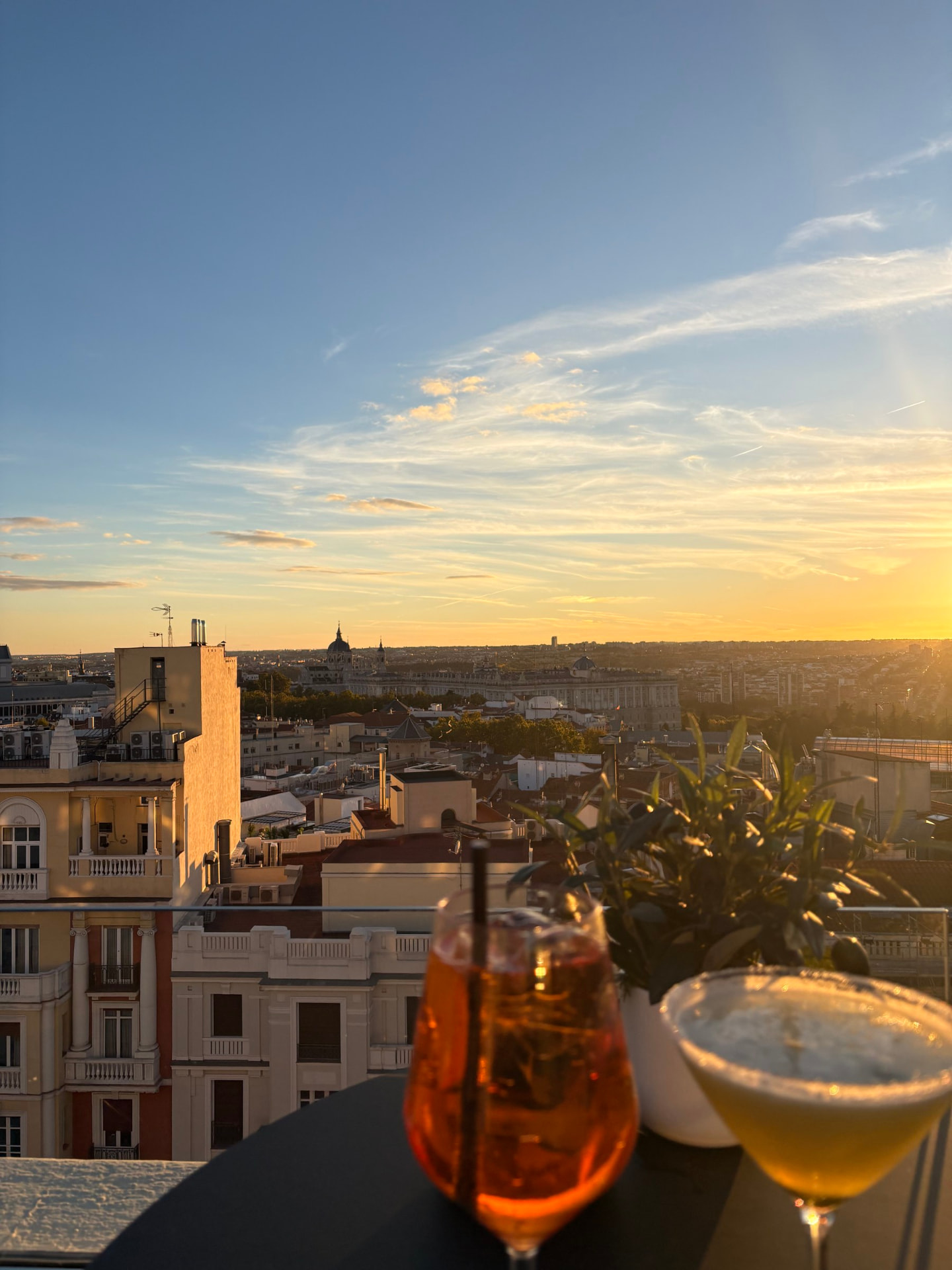
Right Bank
Cobbled streets, vintage shopping, falafel, natural wine bars and the best concentration of cafés per square metre. Central enough to walk almost anywhere.
Left Bank
Classic, grown-up Paris: bookshops, historic cafés, beautiful window displays and quiet residential streets a block off the main boulevards.
Right Bank
Known locally as SoPi. Cocktail bars, small restaurants, a young crowd and much better value than the centre.
Right Bank
Iron footbridges, tree-lined water, independent shops and the city's best casual food scene. Younger, more relaxed, less polished.
Right Bank
Wide boulevards, luxury flagships and big hotels.
Where to eat
Book the dinners you care about before you leave home. Lunch is where Paris is most forgiving — most places take walk-ins, and the set lunch menu is usually the best value meal of your trip.
A proper French bistro — steak frites, duck, a bottle of red, paper tablecloths, waiters who have worked there for twenty years. Every neighbourhood has one and it should be your first night.
Le Marais / 11th
Small plates, low lighting, a chalkboard menu that changes daily, and staff who will pour you something you have never heard of.
Saint-Germain
The set lunch menu — two or three courses at a fixed price — is the best value meal in Paris, often at restaurants that are very hard to book for dinner.
Many kitchens close Sunday evening and Monday entirely. Do your big meal at Sunday lunch instead and keep the evening for wine and a walk.
Le Marais
The queue moves fast, it costs a fraction of a sit-down lunch, and it is genuinely one of the best cheap meals in the city. Eat it standing on the street.
Pick up cheese, bread, fruit, olives and a bottle at a covered market or a street market, then eat it in a park. Marché des Enfants Rouges in the Marais is the easiest one to start with.
Mornings
Parisian breakfast is small and standing-up. Brunch is a weekend event and needs booking. Either way, order at the counter, sit outside, and do not rush.
Croissant, pain au chocolat, coffee, standing at the counter. Find the one closest to your hotel with a queue of locals and go back every morning.
Saint-Germain
The grand old literary cafés are expensive and touristy and still worth exactly one visit. Order a café crème, sit on the terrace, watch the street.
11th / Canal Saint-Martin
Paris does a very good modern brunch — eggs, banana bread, filter coffee, sourdough. The independents east of the centre do it best.
Buy one thing from a serious patisserie and eat it in a park rather than on the go. Éclair, tarte au citron, Paris-Brest — pick one each and share.
Nights
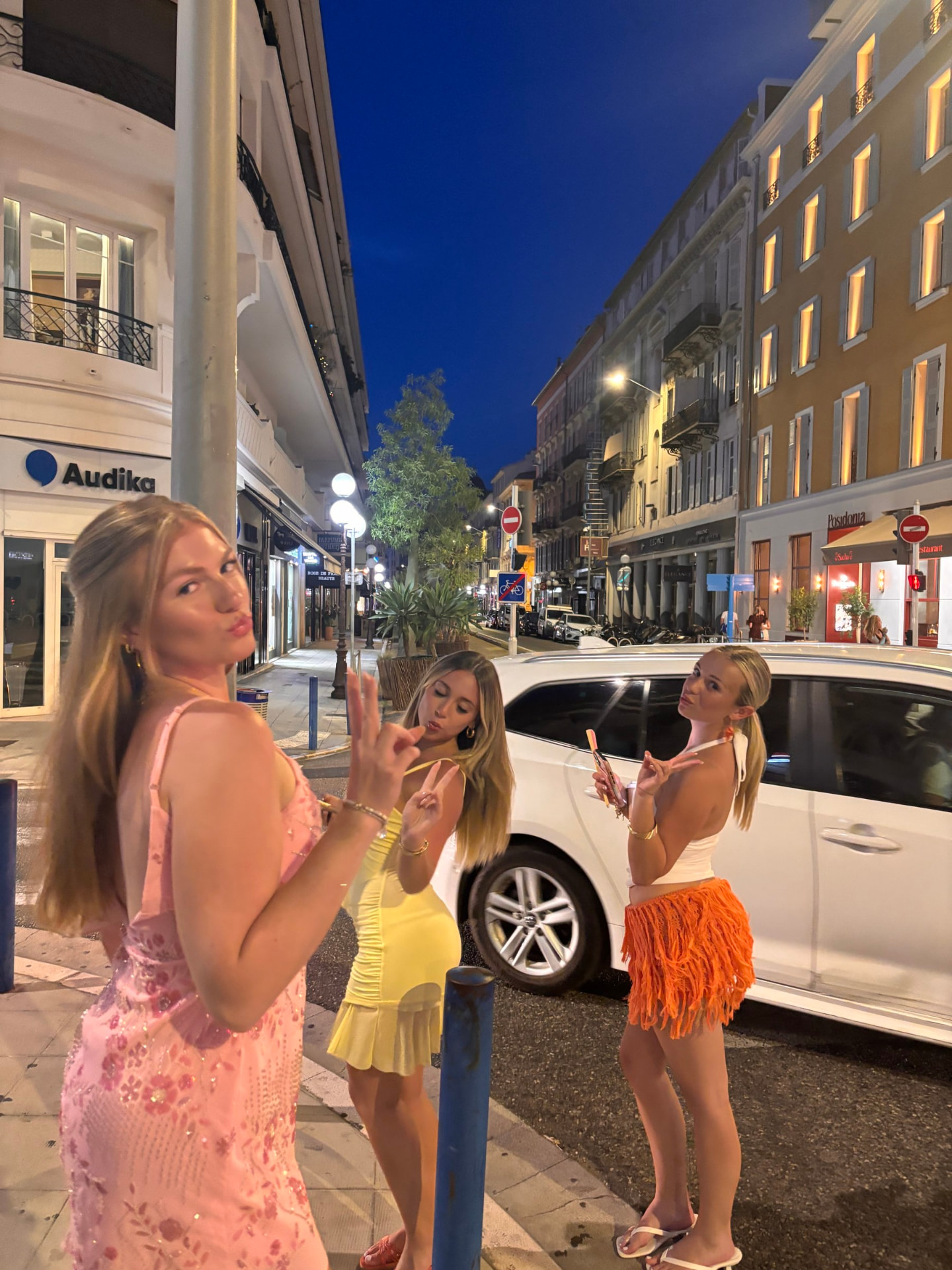
Dinner runs late — 8:30pm or 9pm is normal. Drinks come after, and the good rooms do not fill until 11pm. Dress up more than you would at home; Paris does.
South Pigalle
The densest run of good cocktail bars in Paris, all within a few streets of each other, so you can move without taxis.
Paris is low-rise, so a rooftop gives you the whole skyline. Go for the first drink of the night rather than the last.
Le Marais
Standing on the pavement with a glass of something orange or chilled red is a genuine Paris evening. Cheap, social and very easy.
Clubs open late and stay open until 5 or 6am. Nothing meaningful happens before midnight.
The metro runs until roughly 1am on weeknights and 2am at weekends. After that use a licensed ride-hailing app rather than an unmarked car at a rank.
Days
Do fewer things, better. Two anchors a day maximum, with walking and coffee in between.
7th
An old railway station full of impressionists, with the famous clock window looking out over the Seine. Smaller and far more enjoyable than the Louvre.
1st
Enormous. Pick three things you actually want to see, go straight to them, and leave after 90 minutes.
1st
Two floors of stained glass that turn the whole upper chapel blue and red when the sun hits. It takes 30 minutes.
About an hour on foot along the water, past the Louvre, the Tuileries and Pont Alexandre III.
Le Marais / 11th
Racks of designer resale, second-hand Levi's and 90s slip dresses. Bring cash and time.
18th
Steep cobbled streets, the white domes of Sacré-Cœur and the whole city laid out below. By midday it is unbearable; at 8am it is yours.
6th
Green chairs, a fountain, people reading, an hour of doing nothing. Bring pastries.
Yes, it is touristy. It is also an hour on the water watching the city light up, and it costs less than two cocktails.
For the camera
Go early. Nearly every spot on this list is empty and beautifully lit before 8:30am and packed by 11am.
7th
The classic street framing of the tower between Haussmann buildings.
16th
The full-tower view from across the river.
1st
Striped columns in a quiet courtyard, plus the arcades behind.
8th
Gilded statues, lamp posts and the river.
Le Marais
Symmetrical red brick arches around a garden square.
2nd
A 19th-century covered passage with mosaic floors and glass ceilings.
Out of the city
All reachable by train in under an hour and a half. Pick one, not two.
40 minutes by RER
The palace, the Hall of Mirrors and gardens you could spend all day in. Rent a golf cart or a rowing boat on the canal.
About an hour by train and shuttle
Monet's garden and the lily pond, in colour from spring to autumn.
45 minutes by high-speed train to Reims
Cellar tours and tastings, then lunch in town.
40 minutes by train
A palace as grand as Versailles with a fraction of the visitors, plus a forest around it.
Logistics
Paris is a walking city with an excellent metro underneath it. You will not need taxis often.
Central Paris is about 6km across. Most days you will walk between everything and only use the metro to get home.
Fast, frequent and cheap. Buy a rechargeable pass or a carnet of tickets rather than single fares, and keep the ticket until you exit.
From Charles de Gaulle, the RER B train takes about 35 minutes to the centre; a taxi has a fixed flat fare to each bank of the river. With luggage and three or four of you, the taxi is often the better call.
The city bike share is excellent along the river and the canal, less fun in traffic. Stay on the protected lanes.
Real, and concentrated at the Eiffel Tower, Montmartre, on line 1 and around Gare du Nord. Crossbody bag, zipped, in front of you. Nothing in back pockets.
Money
A realistic per-person daily spend, excluding flights and accommodation.
Around 6 to 9 euros standing at the counter; more on a famous terrace.
Roughly 20 to 30 euros for two or three courses.
Roughly 45 to 80 euros per person.
14 to 18 euros each in a good bar.
12 to 22 euros per museum. Many national museums are free on the first Sunday of the month — and heaving.
Plan on 120 to 180 euros per person per day for food, drinks, entries and transport. You can do it on 70 with market lunches and free walks.
How many cities to do, how long to stay, where to eat, and the coastal days worth building the whole trip around.
Read itSantorini, Mykonos, Paros, Naxos and Milos compared honestly, plus ferries, beach clubs, sunsets and what it all actually costs.
Read itA capsule wardrobe formula, the full checklist, what to leave at home, and the carry-on that saves the trip if your bag does not arrive.
Read it